Speech Pathology
FIND THE WORDS THAT MATTER.
We are currently accepting new Speech Pathology clients at most of our clinics. We also provide sessions at home, at school, at childcare, and via telehealth.
Patients & Families
For referrers and Support Coordinators
How can I fund Speech Pathology?
- NDIS (Capacity Building, Improved Daily Living) – covers speech and language therapy, communication assessments, and Alternative and Augmentative Communication (AAC) assessments
- NDIS Capital (Assistive Technology) – your Speech Pathologist writes the assessment and recommendation for communication devices funded through your Capital budget
- Medicare – up to 5 sessions per calendar year with a GP Chronic Condition Management Plan
- DVA – Gold Card and White Card accepted, GP referral required
- Private health insurance – rebates available through most funds with extras cover
- Self-funded – no referral needed for private patients
What conditions do Speech Pathologists treat?
1.
SPEECH CLARITY AND FLUENCY
When words come out unclear, jumbled, or stuck, it affects confidence in every conversation. We assess how sounds are produced and build targeted practice plans for children and adults to speak more clearly and fluently at their own pace.
2.
LANGUAGE DEVELOPMENT AND UNDERSTANDING
Difficulty following instructions, finding the right words, or putting sentences together can show up at any age. We identify where language is breaking down and build structured support for understanding, expression, and vocabulary, at home, at school, and in everyday settings.
3.
SOCIAL COMMUNICATION
Reading social cues, taking turns in conversation, understanding tone, and knowing what to say and when are skills that do not come naturally to everyone. We work on practical social strategies that build confidence in real-world interactions with peers, family, and colleagues.
4.
SWALLOWING DIFFICULTIES (DYSPHAGIA)
Coughing during meals, food getting stuck, or avoiding certain textures can signal a swallowing difficulty. We assess chewing and swallowing function and create safe mealtime plans that reduce risk while keeping eating as enjoyable as possible.
5.
AUGMENTATIVE AND ALTERNATIVE COMMUNICATION (AAC)
When spoken words are not enough, we find other ways to communicate. From picture boards and signing to speech-generating devices, we assess, trial, and set up AAC systems so the person can express their needs, choices, and personality.
6.
VOICE AND COGNITIVE-COMMUNICATION
Voice strain, hoarseness, or losing your voice frequently can signal a voice concern. After stroke or brain injury, difficulty with attention, memory, and organising thoughts affects communication too. We assess the specific issue and build strategies to support clearer, more comfortable communication.
Who does Speech Pathology help?
If talking, understanding, or eating feels hard, you’re in the right place.
We support children, teens, and adults to build capacity, support independence, and maximise autonomy in everyday life.
Our Speech Pathology team helps with communication and swallowing across all ages.
Speech clarity & fluency
Language Development & Understanding
Literacy support
Voice concerns
Social communication
AAC (Augmentative & Alternative Communication)
Swallowing difficulties (dysphagia)
After Stroke or Brain Injury
Your Speech Pathology Roadmap
Get in touch
Book online on our Booking Directory, or call us, fill in an Appointment Request Form or ask your Support Coordinator or GP to send a referral. We will confirm we have received your enquiry within one business day.
WE MATCH YOU WITH A SPEECH PATHOLOGIST.
We consider your needs (or your child’s needs), preferred location, and whether a clinic, home, school, or telehealth session suits best.
INITIAL ASSESSMENT
Your Speech Pathologist will spend time understanding the communication picture. For children, this often includes structured play activities and observation alongside conversation with parents or carers. For adults, it may include standardised assessments of speech, language, or swallowing.
PERSONALISED THERAPY PLAN
Your plan is shaped around your life. Speech, language, or social communication goals are built into practical, everyday activities so progress carries over outside the clinic. If other clinicians can help, we align care through case conferences so the team is already on the same page.
REVIEW AND ADJUST
We provide regular progress reviews and adjust goals and strategies as skills develop.
We perform comprehensive revisions and re-check the measures that matter to you, so we can adapt session content, and keep therapy realistic and relevant to your goals.
Support for your day to day.
EDUCATION AND CARRYOVER
We teach you, your family, teachers, and support network how to reinforce communication skills between sessions. We can coordinate with other members of the Optimum Health Solutions team, such as Occupational Therapists or Behaviour Support, if your needs are broader than communication alone.
Our Qualified Speech Pathologists Provide:
Personalised Communication Plans
Language & Communication Support
Find clear ways to share your thoughts. We help children and adults maximise autonomy with practical strategies for understanding, speaking, and expressing themselves.
Swallowing & Mealtimes
Eating should feel safe and enjoyable. We provide strategies to navigate chewing and swallowing difficulties and set up mealtime plans that fit your routine.
Social Connection Skills
We help you connect with others. Learn cues, start conversations, and build confidence at home, school, work, and in the community.
Meet Our Speech Pathologists
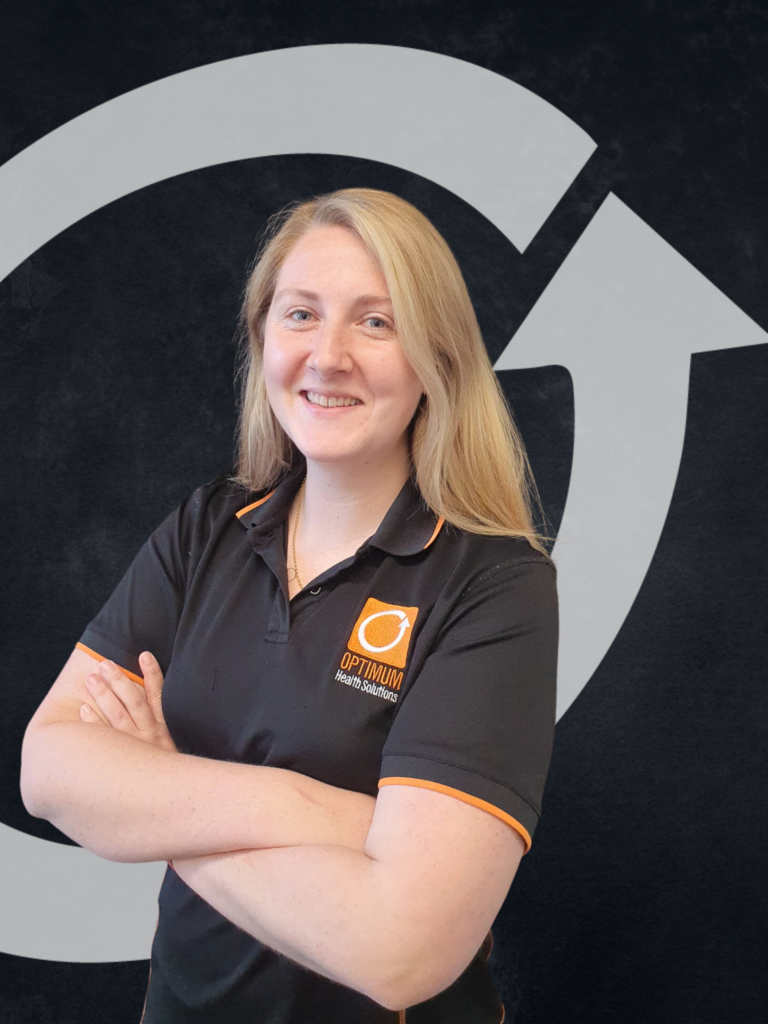
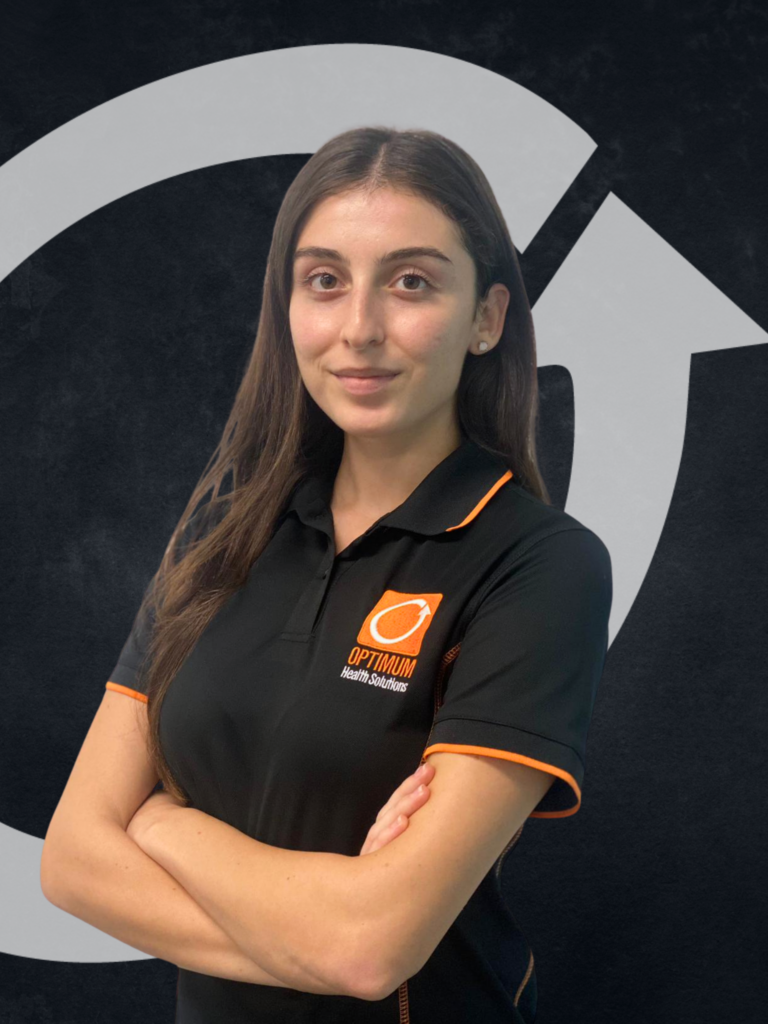
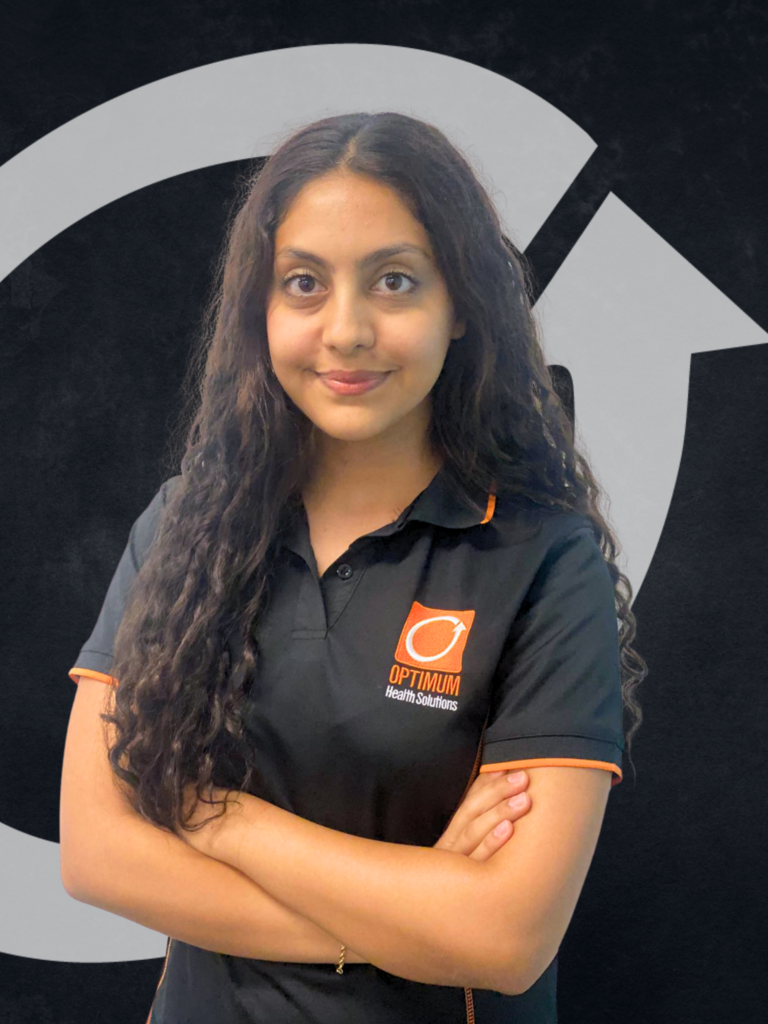
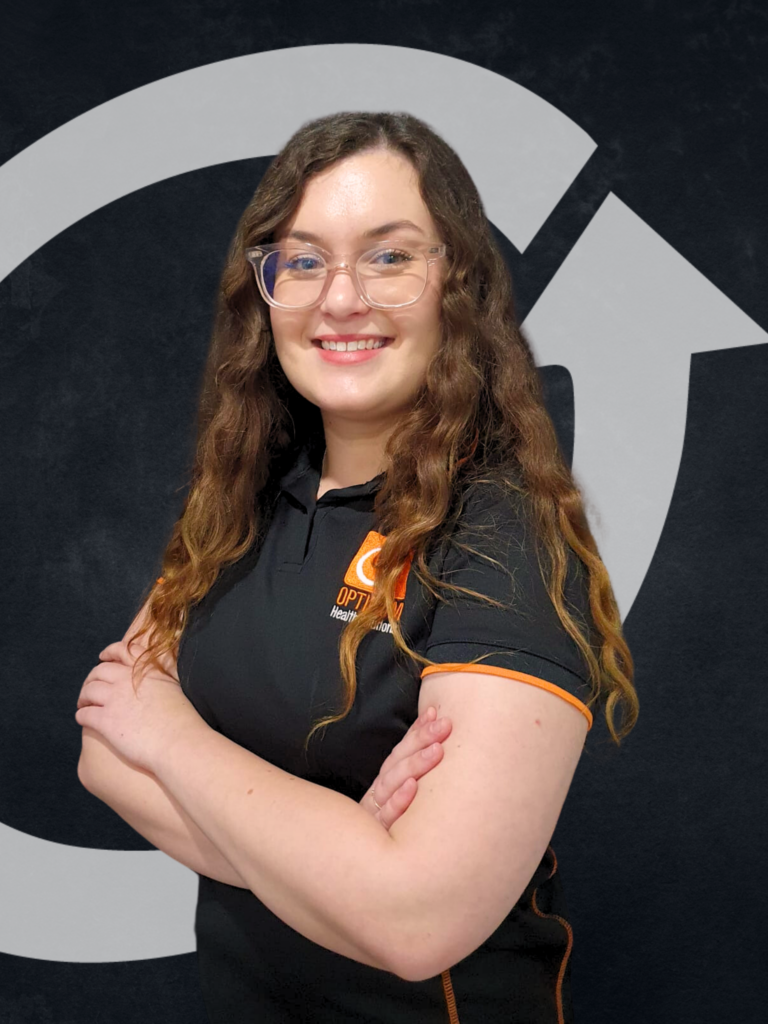
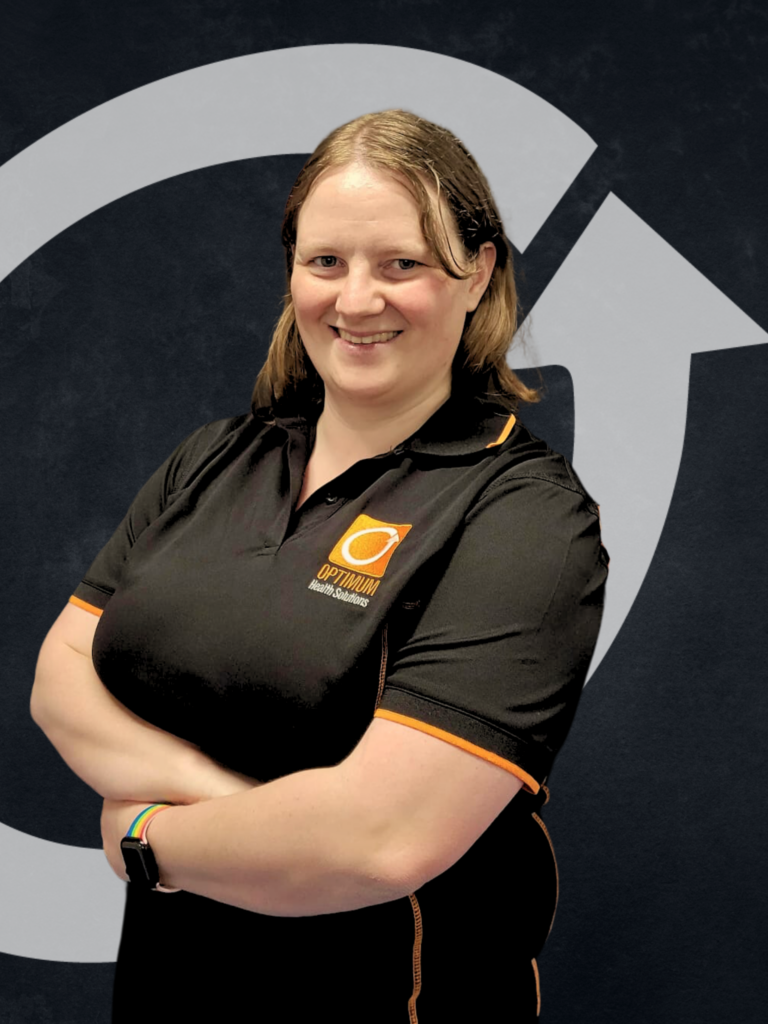
Sabeeka Aga
Speech Pathologist
BSpHSc, MSLP, MSPA-CPSP
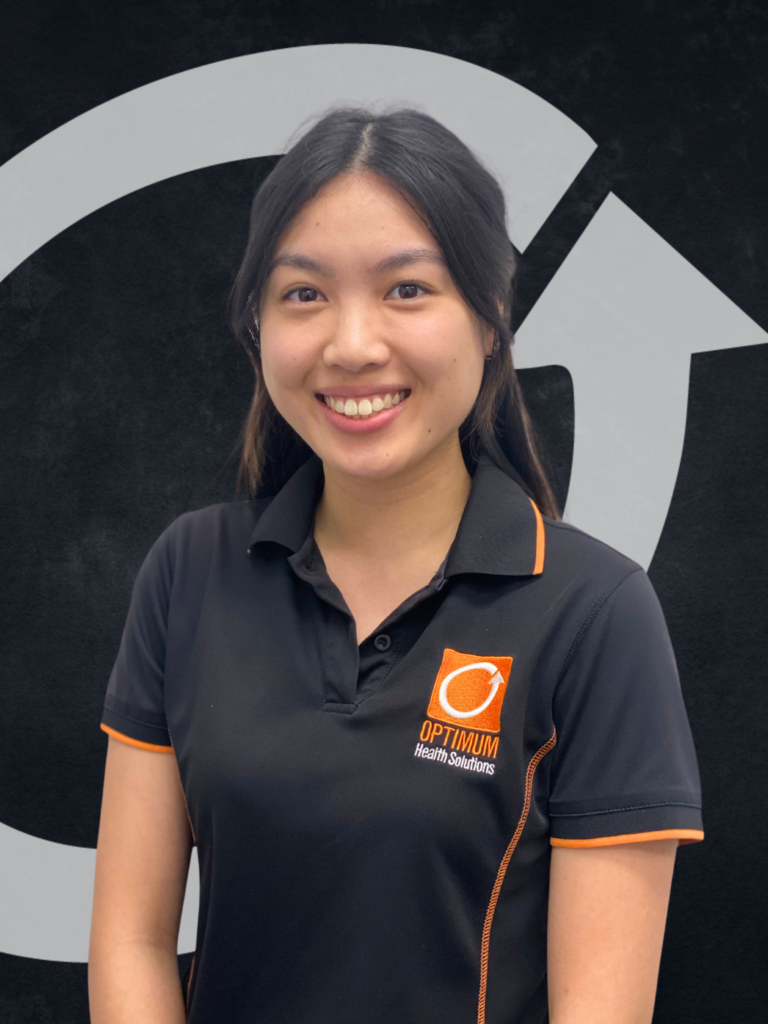
Joyce Lee
Speech Pathologist
BAppSc (SpPath)
Gayle Rogers
National Head Of Clinical Development & Speech Pathologist
BAppSc(Speech Pathology), GradCertBA
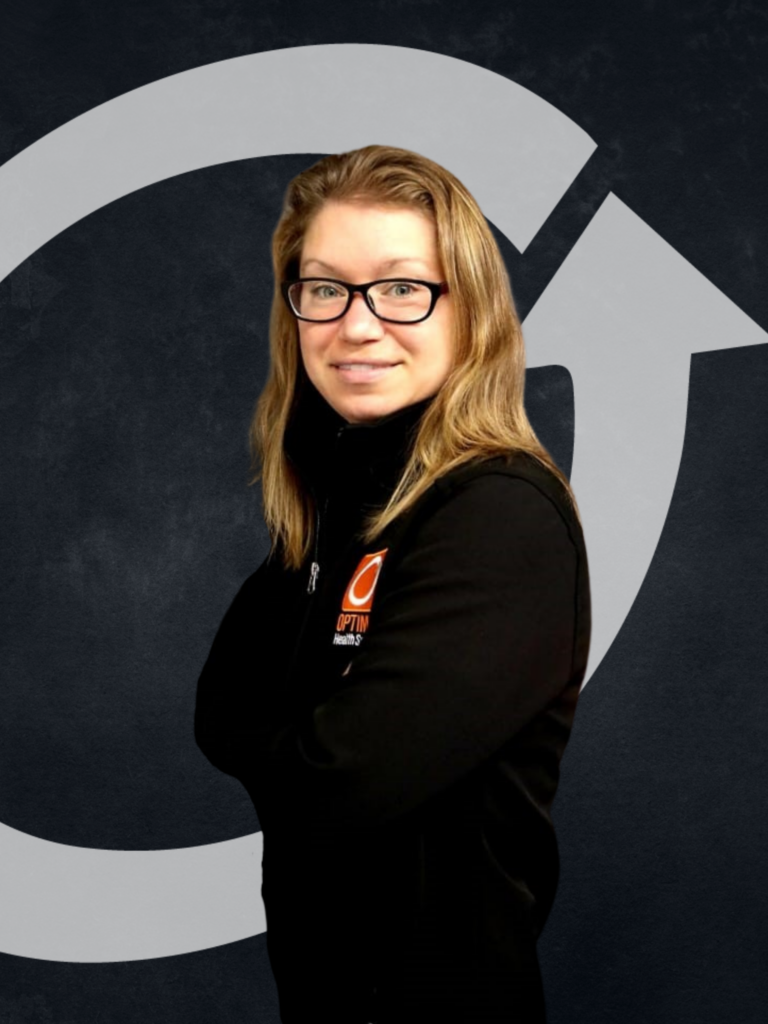
Brittany Fritz
Speech Pathologist
BCommDis, MSc
Zoe Stimson
Speech Pathologist
BSpPath, CPSP
April Ju
Speech Pathologist
B.A. (Hons), MSpPath
Isabella Moloney
Speech Pathologist
BSpHSc, BSpPath
Gabrielle Leung
Speech Pathologist
Olivia Bolivar
Speech Pathologist
BSpHSc, BPsych, MSLP, MSPA-CPSP
Hayley Laurendet
Speech Pathologist
MSpeechPath
Jessalin Goh
Speech Pathologist
Morgan Meola
Discipline Area Manager & Speech Pathlogist
BSLP, MSPA, CPSP
Kalliope Stivaktas
Speech Pathologist
BAppSc (SpPath)
Referrer’s Hub
Whether you’re a new referrer or you’ve used our services before, the Optimum referrers hub has all your needs. With one click you can make enquiries, make referrals and check all of our clinics’ service capacities.
Can I use my NDIS plan for Speech Pathology?
Speech Pathology is a core NDIS support for people with communication and swallowing needs. We work with children and adults who live with autism, cerebral palsy, Down syndrome, intellectual disability, acquired brain injury, and progressive neurological conditions. We meet you where you are, with respect for your preferences and communication style.
Start with a no-cost discovery session:
We listen first, then design a clear therapy plan together. You will meet the team and feel comfortable in our accessible studio environment. If a home, school, or childcare visit works better, we can arrange that too.
One team aligned:
Funding, made simpler:
We navigate your plan with your Support Coordinator or Plan Manager, so you can stay focused on everyday life.
For over 20 years, Optimum Health Solutions has paired evidence-based therapy with compassionate care, keeping your plan practical, measurable, and aligned with what matters most to you.
Clinics that offer Speech Pathology Services
Frequently Asked Questions
Do you only help with speech sounds and lisps?
No. We support communication and swallowing across all ages. That includes speech clarity, language, literacy, voice, fluency, social communication, AAC, and dysphagia. We build capacity and support independence at home, school, work, and mealtimes. We also help you navigate funding with our Optimum Roadmap and align care via MDT case conferences.
Who sees a Speech Pathologist?
Can you help my child with social skills?
Yes. We support social communication, reading cues, turn‑taking, starting and keeping conversations, using simple, everyday practice. We build capacity with parent/caregiver training and, if helpful, navigate AAC options. Therapy can happen at home, school, or in the community to support independence and maximize autonomy.
Do you help with swallowing and mealtime safety?
Where do sessions happen? Is telehealth available?
We meet where life happens, home, school, work, community, or clinic. Telehealth is available. Sessions use simple, everyday activities; for kids, play; for adults, practical conversation and mealtime strategies. Our MDT case conferences align your supports, so you don’t repeat your story. We help you navigate logistics and funding.
How Can We Support You Today?
Our Core Services
A team of caring health professionals working together around you.
From physiotherapy and exercise rehabilitation to speech pathology, dietetics, podiatry and more, your care is coordinated not fragmented.
NDIS Disability Services
Navigating the NDIS can feel overwhelming. You don’t have to do it alone.
As a registered NDIS provider, we align therapy with your plan and help map out a clear and sustainable pathway so funding works for you.
Careers at Optimum
Do meaningful work without burning out.
Join a supportive multidisciplinary team where mentoring, collaboration and professional growth are part of everyday practice.
Living your Optimum life

Is Early Childhood Intervention Important?
Early intervention for children is paramount. It addresses developmental delays or disabilities during infancy and early childhood when the brain is most receptive to growth. This proactive approach maximises positive outcomes by identifying challenges early and providing timely support services like therapy and education. Early intervention equips children with essential

Impacts of Early Childhood Intervention
Early childhood is a pivotal period in a child’s life, marked by rapid growth and development across physical, cognitive, social, and emotional domains. During these formative years, the impact of early childhood intervention can be profound, setting the stage for a child’s future trajectory and well-being. By providing tailored support

What Is Early Childhood Intervention?
What Is Early Childhood Intervention? Early childhood intervention is not just a lifeline but a beacon of hope for infants and young children facing developmental challenges or disabilities. It offers tailored support to nurture their growth, well-being, and integration into society. This multifaceted approach is rooted in the recognition that early intervention can profoundly